
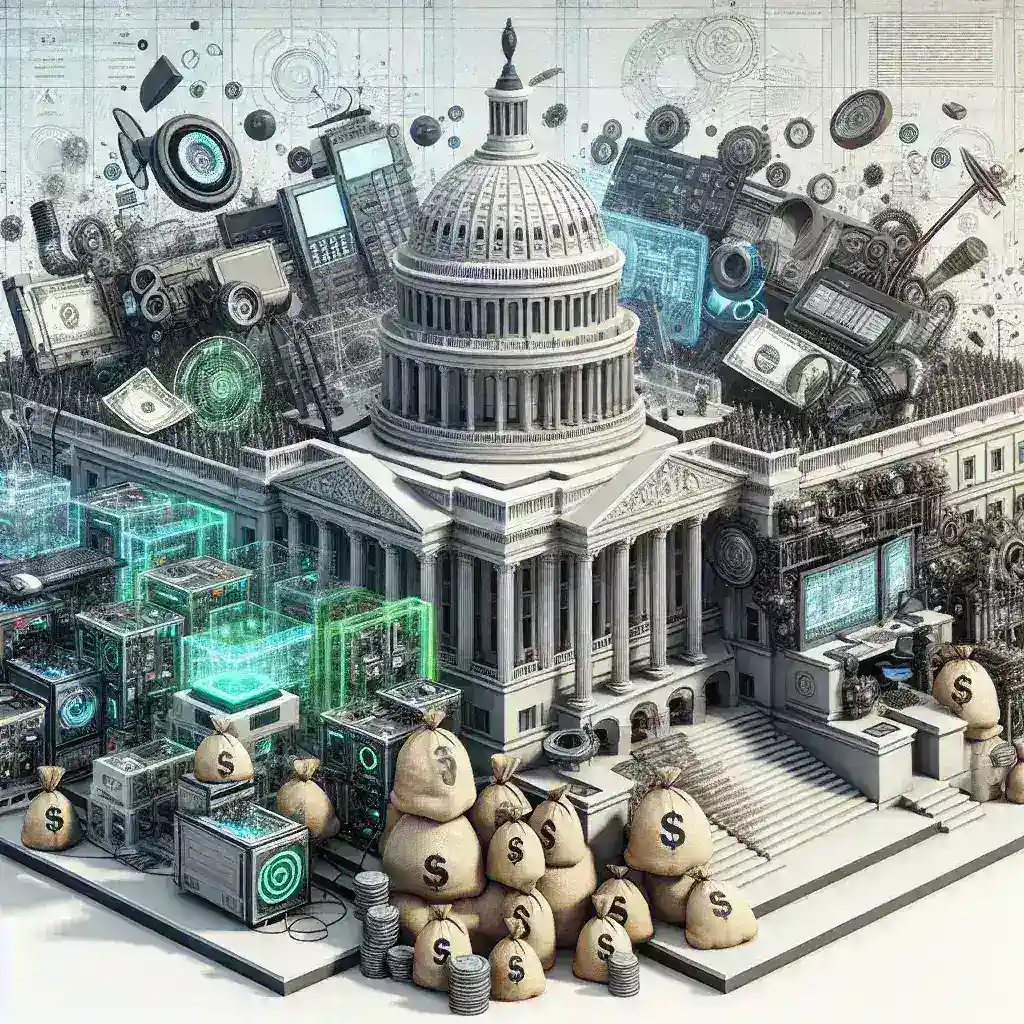
Introduction to Mixed Reality Infrastructure
Mixed reality (MR) is rapidly evolving, merging the physical and digital worlds to create immersive experiences that enhance interaction and engagement. As the technology advances, the infrastructure supporting these innovations is becoming increasingly vital. Recently, a significant boost has been provided by federal grants aimed at enhancing mixed reality infrastructure across various industries.
The Role of Federal Grants
Federal grants play an essential role in funding research, development, and implementation of new technologies. The infusion of these funds into mixed reality infrastructure signifies a commitment from the government to support innovation, education, and entrepreneurship in this burgeoning field.
Historical Context
The concept of mixed reality has its roots in the early explorations of virtual reality (VR) and augmented reality (AR). However, it wasn’t until the mid-2010s that MR began gaining traction in practical applications. With tech giants investing heavily in MR, the necessity for a robust infrastructure became evident. Federal grants are now seen as an essential catalyst to accelerate growth and development in this space.
Current Landscape of Mixed Reality Infrastructure
The current landscape of mixed reality infrastructure is marked by rapid advancements and increasing adoption across various sectors, including education, healthcare, entertainment, and manufacturing. With federal grants, organizations can develop the necessary tools and platforms to facilitate MR experiences.
Applications of Mixed Reality
- Education: MR provides immersive learning environments, allowing students to engage with content in ways that traditional methods cannot.
- Healthcare: Surgeons can practice procedures in a virtual environment, enhancing their skills and reducing risks during actual operations.
- Entertainment: The gaming industry has seen a massive shift towards MR, creating more engaging and interactive experiences for players.
- Manufacturing: Training employees using MR can increase efficiency and reduce the costs associated with traditional training methods.
Infusion of Federal Grants
Recently, federal funding initiatives have allocated millions of dollars toward mixed reality projects. These grants aim to foster collaboration between tech industry leaders and academic institutions, creating an ecosystem that supports the growth of MR infrastructure. The government recognizes the potential impact of MR on the economy, workforce development, and national security, leading to an increased willingness to invest.
Impact of Federal Grants on Innovation
The infusion of federal grants into mixed reality infrastructure is not just about providing financial support; it also facilitates research and development initiatives. Organizations receiving these funds can explore innovative applications, testing new theories and technologies. This funding enables developers to push boundaries and create novel solutions that enhance the MR experience.
Pros and Cons of Federal Funding
Pros
- Accelerated Development: Federal grants speed up the development process, allowing for quicker deployment of new technologies.
- Collaboration Opportunities: These grants often encourage partnerships between academia and industry, fostering knowledge sharing and innovation.
- Access to Resources: Organizations can leverage federal funding to access cutting-edge technology and expertise.
Cons
- Bureaucratic Challenges: The grant application process can be lengthy and complicated, potentially delaying projects.
- Dependency on Funding: Organizations may become reliant on federal grants, hindering long-term sustainability.
- Limited Scope: Some grants may restrict the type of projects that can be funded, limiting creativity and exploration.
Future Predictions for Mixed Reality Infrastructure
As we look to the future, the role of mixed reality infrastructure will only become more significant. With the continued infusion of federal grants, we can expect to see:
- Increased Accessibility: As funding supports the development of affordable MR technologies, more organizations and individuals will gain access to these resources.
- Enhanced Collaboration: The combination of government, academia, and industry efforts will lead to breakthroughs in MR applications.
- Sustainable Ecosystem: With strategic funding, a sustainable ecosystem for MR development and implementation will likely emerge.
Real-World Examples of Grant Impact
Notable examples of federal grants impacting mixed reality infrastructure include:
- The National Science Foundation (NSF) has funded numerous MR research projects, enabling institutions to develop groundbreaking applications in education and training.
- NASA has invested in MR technologies for training astronauts, creating realistic simulations for mission preparation.
- Universities have collaborated with tech companies to create MR labs, supported by federal funding, to innovate in fields like telemedicine and remote collaboration.
Conclusion
The infusion of federal grants into mixed reality infrastructure is a game-changer, fostering innovation and ensuring the growth of this transformative technology. As industries continue to explore the potential of MR, these investments will pave the way for enhanced experiences, improved training protocols, and a more interconnected world. The future of mixed reality is promising, driven by the collaboration between government initiatives and industry advancements.